When should you start getting screened for cancer, and which screenings should you actually be asking your doctor about?
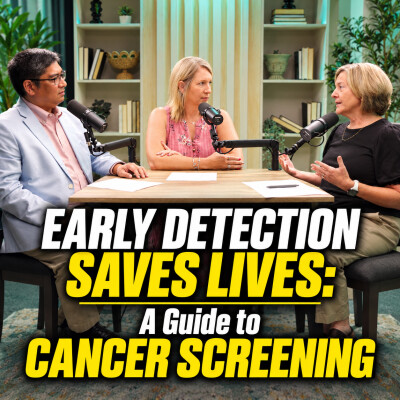
In this episode of the Cancer Advisors Medical Minute podcast, oncology nurse practitioners Jill Hunt, Andy Guinigundo, and Jean Denny break down screening and prevention recommendations for breast cancer, cervical cancer, prostate cancer, lung cancer, colorectal cancer, and skin cancer.
They explain when screening typically begins, how family history and genetics can change recommendations, why guidelines sometimes differ, and why early detection matters.
WHEN SHOULD BREAST CANCER SCREENING BEGIN?
For women at average risk, breast cancer screening generally begins around age 40, although recommendations vary.
WHAT SHOULD YOU KNOW ABOUT CERVICAL CANCER SCREENING?
Jean explains the role of Pap testing, HPV testing, pelvic exams, and the HPV vaccine.
WHEN SHOULD MEN START PROSTATE CANCER SCREENING?
Prostate cancer screening commonly involves a PSA blood test.
WHO SHOULD BE SCREENED FOR LUNG CANCER?
Lung cancer screening is primarily recommended for people who meet certain risk criteria.
WHEN SHOULD COLORECTAL CANCER SCREENING BEGIN?
For people at average risk, colorectal cancer screening generally begins around age 45.
HOW CAN YOU REDUCE YOUR RISK OF SKIN CANCER?
Jill discusses annual skin checks, sunscreen, UVA and UVB protection, protective clothing, tanning beds, and the importance of limiting excessive ultraviolet exposure.
The broader message throughout the episode is simple: prevention and early detection matter.
WHY ARE CANCER SCREENINGS IMPORTANT?
Cancer screening can help identify cancer—or changes that could eventually become cancer—before disease becomes more advanced.
But screening is not one-size-fits-all. Age, family history, genetics, lifestyle, medical history, and individual risk can all influence when screening should begin.
ABOUT CINCINNATI CANCER ADVISORS
Cincinnati Cancer Advisors provides expert oncology consultations, second opinions, care coordination, genetic testing, precision oncology, and clinical trial navigation at no cost to patients.
https://www.cincinnaticanceradvisors.org/
ABOUT NAPLES CANCER ADVISORS
Naples Cancer Advisors provides expert oncology consultations and second opinions for patients in Southwest Florida at no cost.
https://naplescanceradvisors.org/
ABOUT CINCINNATI CANCER FOUNDATION
The Cincinnati Cancer Foundation supports programs and resources that help patients access expert cancer care, second opinions, and support services.
https://www.cincinnaticancerfoundation.org/
Subscribe to the Cancer Advisors Medical Minute for informed discussions about cancer prevention, screening, diagnosis, treatment options, clinical trials, second opinions, and emerging cancer research.
This podcast is for educational purposes only and is not a substitute for personalized medical advice, diagnosis, screening recommendations, or treatment. Always discuss medical decisions with a qualified healthcare professional.
Hosted on Ausha. See ausha.co/privacy-policy for more information.



When should you start getting screened for cancer, and which screenings should you actually be asking your doctor about?
In this episode of the Cancer Advisors Medical Minute podcast, oncology nurse practitioners Jill Hunt, Andy Guinigundo, and Jean Denny break down screening and prevention recommendations for breast cancer, cervical cancer, prostate cancer, lung cancer, colorectal cancer, and skin cancer.
They explain when screening typically begins, how family history and genetics can change recommendations, why guidelines sometimes differ, and why early detection matters.
WHEN SHOULD BREAST CANCER SCREENING BEGIN?
For women at average risk, breast cancer screening generally begins around age 40, although recommendations vary.
WHAT SHOULD YOU KNOW ABOUT CERVICAL CANCER SCREENING?
Jean explains the role of Pap testing, HPV testing, pelvic exams, and the HPV vaccine.
WHEN SHOULD MEN START PROSTATE CANCER SCREENING?
Prostate cancer screening commonly involves a PSA blood test.
WHO SHOULD BE SCREENED FOR LUNG CANCER?
Lung cancer screening is primarily recommended for people who meet certain risk criteria.
WHEN SHOULD COLORECTAL CANCER SCREENING BEGIN?
For people at average risk, colorectal cancer screening generally begins around age 45.
HOW CAN YOU REDUCE YOUR RISK OF SKIN CANCER?
Jill discusses annual skin checks, sunscreen, UVA and UVB protection, protective clothing, tanning beds, and the importance of limiting excessive ultraviolet exposure.
The broader message throughout the episode is simple: prevention and early detection matter.
WHY ARE CANCER SCREENINGS IMPORTANT?
Cancer screening can help identify cancer—or changes that could eventually become cancer—before disease becomes more advanced.
But screening is not one-size-fits-all. Age, family history, genetics, lifestyle, medical history, and individual risk can all influence when screening should begin.
ABOUT CINCINNATI CANCER ADVISORS
Cincinnati Cancer Advisors provides expert oncology consultations, second opinions, care coordination, genetic testing, precision oncology, and clinical trial navigation at no cost to patients.
https://www.cincinnaticanceradvisors.org/
ABOUT NAPLES CANCER ADVISORS
Naples Cancer Advisors provides expert oncology consultations and second opinions for patients in Southwest Florida at no cost.
https://naplescanceradvisors.org/
ABOUT CINCINNATI CANCER FOUNDATION
The Cincinnati Cancer Foundation supports programs and resources that help patients access expert cancer care, second opinions, and support services.
https://www.cincinnaticancerfoundation.org/
Subscribe to the Cancer Advisors Medical Minute for informed discussions about cancer prevention, screening, diagnosis, treatment options, clinical trials, second opinions, and emerging cancer research.
This podcast is for educational purposes only and is not a substitute for personalized medical advice, diagnosis, screening recommendations, or treatment. Always discuss medical decisions with a qualified healthcare professional.
Hosted on Ausha. See ausha.co/privacy-policy for more information.